Month: December 2025

car that is manual and automatic

The debate between manual and automatic transmissions is a long-standing one, impacting driving experience and vehicle cost. Both options offer unique benefits, catering to diverse driver preferences and needs, as seen in modern vehicles.

Historically, the choice signified a difference in driver engagement, but advancements blur the lines, offering efficiency in both systems.

Understanding these differences is crucial when selecting a car, influencing enjoyment and practicality.

Historical Overview of Transmissions

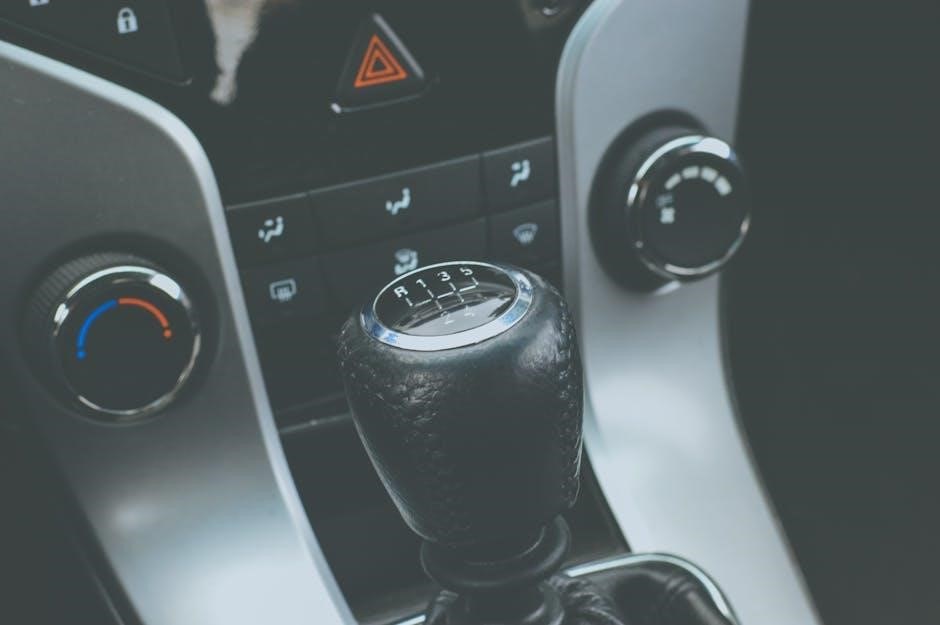
Early automobiles, dating back to the late 19th and early 20th centuries, predominantly featured manual transmissions. These systems required drivers to manually shift gears using a clutch pedal and gear lever, offering direct control over the engine’s power.

The introduction of automatic transmissions in the 1930s marked a significant shift, aiming to simplify the driving experience. Early automatics were complex and often unreliable, but they gained popularity post-World War II as technology improved.

Throughout the mid-20th century, both manual and automatic transmissions coexisted, with automatics steadily gaining market share due to their convenience. The oil crises of the 1970s briefly revived interest in manual transmissions due to their superior fuel efficiency, but automatics continued to evolve, eventually surpassing manuals in fuel economy with advancements like overdrive and more gears.

Today, while manuals remain popular among enthusiasts, automatics dominate the automotive landscape.

The Core Difference: Driver Control

The fundamental distinction between manual and automatic transmissions lies in the level of driver control over gear selection. Manual transmissions place the responsibility squarely on the driver, demanding active engagement with the clutch and gear lever to change speeds. This provides a direct connection to the vehicle’s mechanics and allows for precise control over engine RPMs.

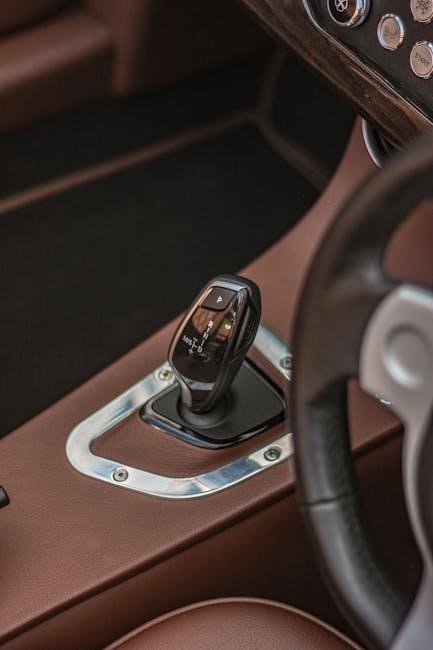
Automatic transmissions, conversely, abstract this process, utilizing a torque converter and planetary gearsets to automatically select the optimal gear based on vehicle speed and throttle input.

This automation prioritizes convenience and reduces driver workload, but at the expense of direct control. While some automatics offer manual shift modes, they typically simulate the experience rather than replicating the full engagement of a true manual system. Ultimately, the choice hinges on whether the driver desires a more involved or a more relaxed driving experience.

Manual Transmissions: A Deep Dive

Manual transmissions offer a direct mechanical link between the engine and wheels, requiring driver skill for gear changes. They remain popular among driving enthusiasts valuing control.

How a Manual Transmission Works

A manual transmission operates through a driver-controlled system of gears and clutches. When the driver presses the clutch pedal, it disengages the engine from the transmission, allowing gear changes via the shift lever.

These levers manipulate shafts and gears, selecting different gear ratios to optimize engine power and speed. The process requires coordinating clutch engagement and disengagement with precise gear selection.

This mechanical linkage provides a direct connection, giving drivers a sense of control and responsiveness. Different gear ratios are chosen based on driving conditions – lower gears for acceleration and higher gears for efficient cruising.

Essentially, the driver acts as a crucial component in the power delivery system, actively managing the engine’s output.

Advantages of Manual Transmissions

Manual transmissions offer several distinct advantages, primarily centered around driver engagement and control. The direct mechanical link fosters a more connected driving experience, allowing precise control over engine RPM and power delivery.

Historically, manual transmissions provided better fuel efficiency, though this gap is narrowing with advancements in automatic technology. They also typically have a lower initial purchase price compared to their automatic counterparts.

Furthermore, some drivers appreciate the simplicity of the system, potentially leading to lower repair costs over the vehicle’s lifespan. The ability to fully control gear selection can also be advantageous in challenging driving conditions.

For enthusiasts, the involvement required is a key part of the driving pleasure.

Driver Engagement and Control

The core appeal of a manual transmission lies in the heightened driver engagement and control it provides. Unlike automatics, drivers actively participate in the gear selection process, fostering a more intimate connection with the vehicle.

This direct control allows for precise manipulation of engine RPM, enabling optimal power delivery for various driving scenarios – from spirited acceleration to controlled deceleration. Drivers can choose the exact gear needed, influencing the vehicle’s response.

This level of involvement appeals to enthusiasts who enjoy the tactile experience and the feeling of being fully in command of the machine. It transforms driving from a passive activity into an active, engaging one.

The driver truly feels the road and the car’s mechanics.

Fuel Efficiency (Historically)

Traditionally, manual transmissions held an advantage in fuel efficiency compared to their automatic counterparts. This stemmed from the simpler mechanical design of manuals, resulting in less energy loss during power transfer from the engine to the wheels.

Automatic transmissions, with their torque converters and complex hydraulic systems, historically incurred greater frictional losses, diminishing overall fuel economy. However, this gap has significantly narrowed with advancements in automatic transmission technology.

Modern automatics, including CVTs and DCTs, employ sophisticated designs and control strategies to minimize energy waste. While manuals often still offer a slight edge in certain scenarios, the difference is becoming increasingly marginal.

The fuel efficiency advantage of manuals is now largely historical, with modern automatics closing the gap.

Lower Initial Cost

Historically, vehicles equipped with manual transmissions have typically carried a lower initial purchase price compared to those with automatic transmissions. This price difference arises from the simpler manufacturing process and fewer components required for a manual gearbox.

Automatic transmissions involve more intricate engineering, sophisticated hydraulic systems, and advanced control modules, contributing to higher production costs. Consequently, automakers often pass these increased costs onto consumers.

However, the price gap between manual and automatic options has been shrinking in recent years, particularly as automatic transmissions become increasingly prevalent and manufacturers streamline production.

Despite this trend, a manual transmission generally remains the more budget-friendly choice at the time of purchase.

Disadvantages of Manual Transmissions

Despite their appeal, manual transmissions present several drawbacks for many drivers. A significant challenge is the steeper learning curve; mastering smooth gear changes and clutch control requires practice and coordination, potentially intimidating new drivers.

Furthermore, operating a manual transmission demands considerably more effort during driving, especially in stop-and-go traffic or hilly terrain. Constant clutch engagement and gear shifting can lead to driver fatigue on longer journeys.

This increased driver involvement can be distracting, and in certain driving conditions, a manual transmission may not offer the same level of convenience as an automatic.

Ultimately, the added physical and mental demands can make manual transmissions less appealing for everyday commuting.

Steeper Learning Curve

For novice drivers, the initial experience with a manual transmission can be daunting. Unlike automatics, mastering a manual requires coordinating the clutch, gear shifter, and accelerator – a multi-tasking skill that takes time and practice to develop.

Stalling the engine is a common occurrence during the learning process, potentially causing embarrassment and frustration. Smooth gear changes demand precise timing and feel, requiring significant muscle memory development.

This initial hurdle can deter some drivers, making the transition to independent driving slower and more challenging compared to learning an automatic transmission.

The complexity of the system necessitates a dedicated learning period, often involving guidance from experienced drivers or professional instruction.

More Effort Required for Driving

Operating a vehicle with a manual transmission demands continuous driver involvement, particularly in stop-and-go traffic. Constantly shifting gears, engaging the clutch, and monitoring engine speed require physical and mental exertion that an automatic transmission eliminates.

Long commutes or drives in congested areas can become noticeably more tiring with a manual, as the driver must actively manage the gear selection process.

This constant engagement, while appealing to some, can be a significant drawback for those prioritizing comfort and convenience. The need for precise coordination adds a layer of complexity to the driving experience.

Even on open roads, maintaining optimal performance with a manual requires more driver attention than simply letting an automatic handle the gear changes.

Automatic Transmissions: A Comprehensive Look

Automatic transmissions prioritize ease of use and convenience, handling gear changes independently. They represent a significant advancement, reducing driver workload and enhancing the overall driving experience.

How an Automatic Transmission Works

Automatic transmissions utilize a complex hydraulic system and planetary gearsets to seamlessly shift gears without direct driver input. A torque converter, instead of a clutch, transfers engine power to the transmission. This fluid coupling allows the engine to continue running even when the wheels are stopped.

The transmission control module (TCM) monitors vehicle speed, engine load, and throttle position to determine the optimal gear. Valves within the hydraulic system then direct fluid pressure to engage different gearsets.

Modern automatics often feature multiple gears (6, 8, 10, or more) for improved fuel efficiency and performance. These systems constantly adapt to driving conditions, providing smooth and efficient power delivery. The TCM’s sophisticated algorithms ensure optimal gear selection for various scenarios, enhancing both comfort and responsiveness.

Types of Automatic Transmissions

Beyond traditional automatic transmissions, several variations exist, each offering distinct advantages. Traditional automatics employ planetary gearsets and a torque converter, providing smooth shifts but sometimes sacrificing efficiency. Continuously Variable Transmissions (CVTs) utilize a belt and pulley system, offering a theoretically infinite number of gear ratios for optimal fuel economy.

However, CVTs can sometimes feel less responsive than traditional automatics. Dual-Clutch Transmissions (DCTs) combine the efficiency of a manual with the convenience of an automatic, using two separate clutches for rapid gear changes.

DCTs deliver quick, precise shifts, often found in performance vehicles. Each type caters to different driving styles and priorities, showcasing the evolution of automatic transmission technology.

Traditional Automatic Transmissions

Traditional automatic transmissions represent the longest-standing form of self-shifting gearboxes. They function using a complex system of planetary gearsets, hydraulically controlled clutches, and a torque converter. The torque converter allows the engine to continue running even when the wheels are stopped, providing smooth launches and low-speed maneuverability.

These transmissions automatically select the appropriate gear ratio based on vehicle speed and engine load, relieving the driver of manual shifting duties. While offering convenience, traditional automatics historically faced criticism for reduced fuel efficiency compared to manual transmissions.

However, modern advancements have significantly narrowed this gap, improving efficiency and responsiveness.

Continuously Variable Transmissions (CVT)

Continuously Variable Transmissions (CVTs) represent a departure from traditional stepped gear ratios. Instead of fixed gears, CVTs utilize a belt or chain running between two variable-diameter pulleys. This allows for an infinite number of gear ratios within a specific range, optimizing engine efficiency and responsiveness.

CVTs maintain the engine at its most efficient RPM, resulting in improved fuel economy and smoother acceleration. However, they often receive criticism for a unique driving feel, sometimes described as a “rubber band” effect, due to the engine’s consistent RPM during acceleration.

Modern CVTs are increasingly sophisticated, addressing these concerns with simulated shift points and improved responsiveness.

Dual-Clutch Transmissions (DCT)

Dual-Clutch Transmissions (DCTs) bridge the gap between manual and automatic transmissions, offering the efficiency of a manual with the convenience of an automatic. They employ two separate clutches for odd and even gears, pre-selecting the next gear for incredibly fast and seamless shifts.

This design allows for quicker gear changes than traditional automatics, often rivaling or surpassing manual transmission shift speeds. DCTs deliver a more engaging driving experience, with minimal power interruption during shifts, enhancing performance and responsiveness.

While offering numerous benefits, DCTs can be more complex and potentially more expensive to repair than other transmission types.

Advantages of Automatic Transmissions

Automatic transmissions prioritize ease of use and convenience, significantly reducing driver workload. They eliminate the need for constant clutch and gear lever operation, making driving simpler, especially in stop-and-go traffic. This simplicity translates to reduced driver fatigue, particularly on long journeys, enhancing overall comfort.

Modern automatics, including those with many gears, often achieve comparable fuel efficiency to manual transmissions, minimizing any historical disadvantage. While traditionally carrying a higher purchase price, the convenience and reduced stress often outweigh this initial cost for many drivers.

The accessibility of automatic transmissions broadens the driving pool, allowing more people to operate a vehicle comfortably.

Ease of Use and Convenience

Automatic transmissions excel in providing a seamless and user-friendly driving experience; They remove the complexities of coordinating clutch engagement and gear selection, simplifying operation for drivers of all skill levels. This is particularly beneficial in congested urban environments where frequent stopping and starting are commonplace.

The absence of a clutch pedal reduces physical strain, making driving more comfortable, especially during extended periods; Automatic transmissions allow drivers to focus more intently on steering and road awareness, enhancing safety.

For many, the convenience of an automatic outweighs any perceived loss of driver involvement, offering a relaxed and enjoyable commute.

Reduced Driver Fatigue

Automatic transmissions significantly contribute to a less fatiguing driving experience, particularly during long journeys or in stop-and-go traffic. The continuous operation of the clutch and gear changes in a manual transmission can be physically demanding, requiring constant foot and hand coordination.

By automating these processes, automatic transmissions free the driver from repetitive actions, allowing for greater relaxation and reduced strain on legs and arms. This is especially valuable for drivers who spend considerable time commuting or traveling.

The lessened physical exertion translates to improved concentration and alertness, enhancing overall driving safety and comfort.

Disadvantages of Automatic Transmissions

While convenient, automatic transmissions aren’t without drawbacks. A primary disadvantage is the historically higher purchase price compared to their manual counterparts, though this gap is narrowing with technological advancements.

Furthermore, automatic transmissions can potentially incur higher repair costs due to their complex internal mechanisms. Specialized knowledge and tools are often required for diagnosis and repair, increasing labor expenses.

Historically, automatic transmissions were less fuel-efficient than manuals, but modern automatics, including CVTs and DCTs, have significantly improved in this area. However, some drivers still perceive a slight fuel economy disadvantage.

Some enthusiasts also miss the direct connection and control offered by a manual transmission.

Higher Purchase Price

Generally, vehicles equipped with automatic transmissions command a higher initial purchase price than those with manual transmissions. This price difference stems from the increased manufacturing complexity and the additional components required for an automatic system.

The cost of the transmission itself is a significant factor, as automatics involve intricate hydraulic systems, planetary gearsets, and sophisticated control modules. These elements contribute to a higher bill of materials and assembly costs.

While the price gap has been decreasing with advancements in automatic technology and increased demand, it remains a noticeable consideration for budget-conscious buyers. The added expense can represent several thousand dollars, impacting the overall affordability of the vehicle.

However, financing options can sometimes mitigate this upfront cost.

Potentially Higher Repair Costs

Automatic transmissions, due to their intricate design, often present potentially higher repair costs compared to their manual counterparts. The complexity of components like valve bodies, torque converters, and planetary gearsets means specialized knowledge and tools are required for diagnosis and repair.

A failure within an automatic transmission can necessitate a complete rebuild or replacement, representing a substantial expense for vehicle owners. Diagnostic procedures can also be more time-consuming and costly, adding to the overall repair bill.

While modern automatics are more reliable than older designs, the potential for expensive repairs remains a concern. Manual transmissions, with their simpler mechanical structure, generally offer more straightforward and affordable repairs.

However, clutch replacements are a regular maintenance item for manuals.

The Modern Landscape: Bridging the Gap

Technological advancements are narrowing the performance and efficiency gap between automatic and manual transmissions, offering drivers more refined and capable options in both styles.

Advancements in Automatic Transmission Technology

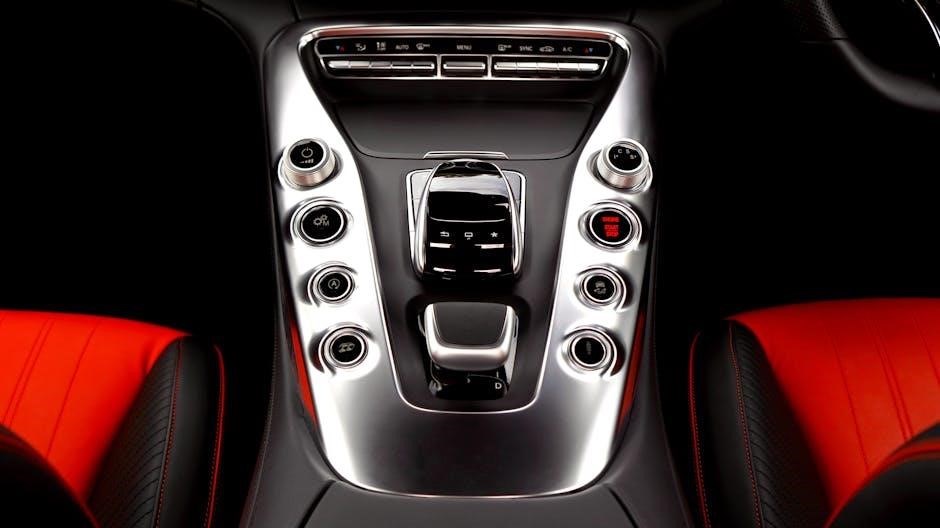
Modern automatic transmissions have evolved significantly beyond traditional designs. Continuously Variable Transmissions (CVTs) offer seamless gear changes and improved fuel efficiency, while Dual-Clutch Transmissions (DCTs) provide incredibly fast and precise shifts, mimicking the experience of a manual gearbox.

These advancements address historical criticisms of automatics, such as reduced driver engagement and lower fuel economy. Sophisticated computer controls and more gear ratios contribute to smoother operation and enhanced performance.

Furthermore, features like paddle shifters allow drivers to manually select gears in automatic transmissions, blending convenience with a sense of control. The integration of these technologies demonstrates a commitment to improving the automatic driving experience, making it competitive with, and in some cases surpassing, manual options.

The Resurgence of Manual Transmissions in Enthusiast Cars

Despite the dominance of automatics, manual transmissions are experiencing a revival among car enthusiasts. Manufacturers are recognizing the demand for a more connected driving experience, offering manual options in performance-oriented models. This trend caters to drivers who prioritize control, engagement, and a visceral connection with their vehicle.

The appeal lies in the ability to directly influence gear selection, enhancing the sense of driving skill and enjoyment. This resurgence isn’t about practicality, but about preserving a specific driving feel.

While automatics offer convenience, the manual transmission remains a symbol of driving purity for many, ensuring its continued presence in the automotive landscape, particularly within enthusiast communities.

Choosing the Right Transmission for You

Selecting between a manual and automatic transmission hinges on individual priorities and driving habits. Consider your daily commute – frequent stop-and-go traffic favors the convenience of an automatic, reducing driver fatigue. However, if you relish spirited driving and a direct connection to the vehicle, a manual transmission offers unparalleled control and engagement.

Evaluate your budget; manuals typically have a lower initial cost, but automatics are becoming increasingly efficient and sophisticated.

Ultimately, the “right” transmission is subjective. Test drive both types, assess your needs, and choose the option that best complements your driving style and lifestyle, ensuring a satisfying ownership experience.

the billionaire ceo’s runaway wife pdf free

The Billionaire CEO’s Runaway Wife PDF: A Comprehensive Overview (as of 12/04/2025)

Navigating the digital seas for this novel mirrors oceanic voyages – extensive, challenging, and requiring careful charting, much like Spanish navigators charting courses.

Understanding the Novel’s Popularity

The surging demand for “The Billionaire CEO’s Runaway Wife” in PDF format reflects broader trends in online romance readership, akin to navigating vast, open waters. Much like a lengthy Atlantic crossing requiring preparedness, readers seek convenient access to immersive stories. The novel’s appeal parallels the excitement of oceanic navigation – a captivating escape.

Online forums and social media, functioning as modern-day nautical charts, play a crucial role in disseminating information and fueling discussions. The desire for free PDF copies, while presenting legal challenges, underscores the novel’s widespread recognition. This mirrors the historical significance of Spanish navigators, whose voyages captivated audiences. Microsoft’s collaborative tools, like OneDrive, offer legitimate avenues for sharing and accessing content, contrasting with unverified download sites.

The novel’s popularity isn’t isolated; it’s part of a larger wave of online romance, driven by accessibility and community engagement, much like the passion shared amongst seafaring enthusiasts.

The Rise of Online Romance Novels

The proliferation of online romance, exemplified by the search for “The Billionaire CEO’s Runaway Wife” PDF, mirrors the expansion of oceanic navigation – a journey into uncharted territories. Just as navigating requires skill and planning, the digital landscape demands savvy access. The ease of distribution via platforms like Microsoft’s online services has fueled this growth, offering alternatives to traditional publishing.

This trend parallels the historical impact of Spanish navigators, whose explorations broadened horizons. The demand for readily available content, even through unofficial channels, highlights the genre’s accessibility. Online forums and social media act as crucial hubs, fostering communities and driving demand, similar to how web content connects maritime enthusiasts.

The rise is driven by convenience, affordability, and the power of reader engagement, creating a dynamic ecosystem akin to the challenges and rewards of a long sea voyage.

PDF Availability and Piracy Concerns

The quest for a free PDF of “The Billionaire CEO’s Runaway Wife” highlights a significant challenge: balancing accessibility with copyright protection. Like navigating treacherous waters, sourcing digital content requires caution. Unverified sites pose risks, mirroring the unpredictable nature of oceanic voyages and potential cargo exposure.

Downloading copyrighted material carries legal implications, akin to navigating outside established maritime laws. While platforms like Microsoft OneDrive offer legitimate storage, unauthorized distribution undermines authors’ rights. The allure of instant access fuels piracy, despite the potential for malware or legal repercussions.

This situation echoes the need for careful planning in ocean navigation – understanding the risks before embarking. Responsible readers should prioritize official sources, supporting authors and respecting intellectual property, just as skilled navigators respect the sea.

Plot Summary and Key Characters

Unraveling the narrative is like charting a course – a complex journey with compelling figures, mirroring the challenges faced by oceanic navigators at sea.

Synopsis of “The Billionaire CEO’s Runaway Wife”

The story unfolds as a dramatic escape, mirroring the vastness of an oceanic voyage. Evelyn Hayes, fleeing an arranged marriage to a powerful figure, finds herself unexpectedly bound to the enigmatic and controlling CEO, Julian Vance. Their initial encounter is fraught with tension, a clash of wills set against a backdrop of opulent wealth and hidden secrets.

As Evelyn navigates her new life, she uncovers a web of corporate intrigue and family betrayals. Julian, initially appearing cold and ruthless, slowly reveals layers of vulnerability beneath his hardened exterior. The narrative explores themes of forced proximity, forbidden desire, and the struggle for independence. Like navigating uncharted waters, Evelyn must learn to trust her instincts and confront the challenges that lie ahead.

The plot thickens with unexpected alliances and dangerous enemies, creating a suspenseful journey filled with twists and turns. Evelyn’s past catches up to her, threatening to expose her secrets and jeopardize her newfound freedom. The synopsis highlights a captivating blend of romance, suspense, and power dynamics, mirroring the complexities of long-distance seafaring.

Main Characters: Profiles and Relationships

Evelyn Hayes, the runaway bride, is portrayed as fiercely independent and resourceful, much like a skilled navigator charting her own course. Initially vulnerable, she demonstrates resilience and a determination to reclaim her life. Her relationship with Julian is the central conflict, evolving from distrust to a complex attraction.

Julian Vance, the billionaire CEO, embodies power and control. He’s a man haunted by his past, using his wealth to shield himself from emotional vulnerability. His interactions with Evelyn challenge his carefully constructed facade, revealing a hidden depth. Their dynamic is characterized by intense chemistry and power imbalances.

Supporting characters include Julian’s ambitious rivals and Evelyn’s estranged family, each contributing to the intricate web of relationships. These connections, like the crew of a vessel, influence the central narrative. Alliances shift, and betrayals are common, mirroring the unpredictable nature of oceanic expeditions and the challenges of collaboration.

Central Conflicts and Themes

The primary conflict revolves around Evelyn’s attempt to escape a forced marriage and Julian’s relentless pursuit to understand her motives, akin to navigating treacherous waters. This struggle highlights themes of autonomy, control, and the societal pressures placed upon women.

Underlying tensions explore the disparity between wealth and genuine connection. Julian’s immense power creates a barrier to authentic intimacy, mirroring the isolation experienced during long oceanic voyages. The novel delves into the emotional consequences of a life lived behind a carefully constructed facade.

Recurring themes include redemption, second chances, and the transformative power of love. Like a challenging expedition, the characters must confront their inner demons and navigate unforeseen obstacles. The narrative emphasizes the importance of self-discovery and the courage to forge one’s own destiny, even amidst turbulent circumstances.

Where to Find the PDF (Legally and Illegally)

Locating this digital treasure resembles charting a course – official sources offer safe passage, while unverified sites present risks, like navigating uncharted oceanic zones.

Official Sources: Legitimate Purchasing Options

Securing a legal copy of “The Billionaire CEO’s Runaway Wife” supports the author and ensures a quality reading experience, akin to a well-equipped vessel for an oceanic voyage. Several reputable platforms offer the novel in PDF format. Major ebook retailers, such as Amazon Kindle, Barnes & Noble Nook, and Kobo, consistently stock the title. These platforms often feature promotional pricing and sales, providing opportunities to acquire the PDF at a reduced cost.

Additionally, directly visiting the publisher’s website is a reliable method. Many publishers offer PDF versions for download, sometimes with DRM (Digital Rights Management) protection. Subscription services like Scribd or Perlego may also include the novel within their extensive libraries, granting access for a monthly fee. Choosing official sources guarantees a safe download, free from malware or viruses, mirroring the safety protocols of experienced navigators.

Remember, supporting authors through legitimate channels fosters continued creativity and quality content.

Unofficial Sources: Risks of Downloading from Unverified Sites

The allure of a “free” PDF of “The Billionaire CEO’s Runaway Wife” from unverified sources presents significant risks, comparable to navigating uncharted waters. Websites offering free downloads often harbor malware, viruses, and spyware, potentially compromising your device and personal information. These sites frequently operate outside the law, lacking security protocols and ethical considerations.

Downloading copyrighted material illegally carries legal ramifications, including potential fines and legal action. Furthermore, the quality of these illegally distributed PDFs is often substandard – riddled with errors, formatting issues, or incomplete content. Such downloads can expose you to phishing scams and identity theft, mirroring the dangers faced during extensive oceanic voyages.

Prioritizing digital safety and respecting copyright laws are crucial. Opting for legitimate purchasing options, though requiring payment, safeguards your security and supports the author’s work.

Legal Implications of Downloading Copyrighted Material

Illegally obtaining a PDF of “The Billionaire CEO’s Runaway Wife”, even if seemingly harmless, carries substantial legal consequences, akin to facing penalties for unauthorized navigation. Copyright law protects the author’s intellectual property, granting them exclusive rights to distribute and profit from their work. Downloading or sharing copyrighted material without permission constitutes infringement.

Penalties for copyright infringement can range from hefty fines – potentially reaching thousands of dollars – to civil lawsuits filed by the copyright holder. In severe cases, criminal prosecution is possible, especially for large-scale distribution. Just as skilled navigators adhere to maritime law, individuals must respect copyright regulations.

Supporting authors through legitimate channels ensures continued creativity and quality content. Choosing legal purchasing options demonstrates respect for intellectual property rights and avoids the risks associated with illegal downloads.

Analyzing Reader Reviews and Reception

Reader engagement, like navigating vast oceans, fuels the novel’s popularity through forums and fan fiction, mirroring collaborative seafaring experiences and shared stories.

Common Themes in Reader Feedback

A recurring sentiment amongst readers centers on the escapism offered by the narrative, akin to the immersive experience of a long oceanic voyage. Many appreciate the power dynamics explored, finding the billionaire CEO archetype both compelling and problematic, sparking lively debate within online communities – mirroring discussions amongst seasoned navigators.

The runaway bride trope consistently draws commentary, with readers dissecting her motivations and resilience. The novel’s pacing is frequently mentioned, some praising its ability to maintain suspense, while others critique moments feeling rushed, much like adjusting to unpredictable sea conditions.

Furthermore, the romantic tension and eventual resolution are key discussion points, with opinions varying on the believability and satisfaction of the couple’s journey. The accessibility of the PDF, though often discussed in terms of legality, also contributes to widespread engagement and feedback, fostering a vibrant online discourse.

Criticisms and Praises of the Novel

Praises frequently highlight the novel’s addictive quality, drawing parallels to the captivating vastness of the ocean – a journey readers find hard to abandon. The strong emotional core and compelling characters resonate with many, offering a satisfying, albeit predictable, romantic arc. However, criticisms often center on the formulaic nature of the plot, echoing concerns about repetitive tropes within the genre.

Some readers find the portrayal of wealth and power unrealistic and bordering on fantasy, while others critique the character development as superficial. The readily available PDF format, while boosting accessibility, also fuels debate regarding copyright and author compensation.

The novel’s reliance on clichés and lack of nuanced exploration of complex themes are also common points of contention, similar to navigating challenging currents – requiring careful consideration.

The Novel’s Appeal to Specific Demographics

“The Billionaire CEO’s Runaway Wife” primarily attracts a female readership, aged 25-45, seeking escapism and emotionally-driven narratives – akin to charting a course for a specific, desired destination. The themes of romance, overcoming adversity, and finding love resonate strongly within this demographic. The accessibility of the PDF format further broadens its reach, mirroring the expansive nature of online communities.

Younger readers, particularly those engaging with online romance forums, also contribute to its popularity, drawn in by fan fiction and derivative works. The novel’s appeal extends to individuals interested in power dynamics and aspirational lifestyles, reflecting a fascination with wealth and success.

However, its appeal is less pronounced among demographics prioritizing literary complexity or diverse representation, much like a vessel designed for specific oceanic conditions.

Related Works and Author Information

Exploring the author’s catalog reveals similar themes, mirroring skilled Spanish navigators and their consistent dedication to mastering oceanic routes and techniques.

Other Novels by the Same Author

Delving into the author’s broader bibliography reveals a consistent pattern of emotionally charged romance narratives, often featuring strong-willed heroines and powerful, enigmatic male leads. Similar to the meticulous planning required for oceanic navigation – as demonstrated by seasoned Spanish sailors – the author carefully constructs intricate plotlines and compelling character arcs.

Notable works include “The Accidental Empress,” a historical romance set in 19th-century Vienna, and “Stolen Legacy,” a contemporary tale of corporate intrigue and forbidden love. These novels, like navigating vast distances, demand sustained reader engagement. They share thematic elements with “The Billionaire CEO’s Runaway Wife,” such as overcoming adversity, discovering self-worth, and the transformative power of love.

Readers who enjoyed the complex dynamics and passionate encounters in the featured novel will likely find similar satisfaction in these additional offerings, appreciating the author’s consistent ability to craft captivating stories. The author’s style, much like a skilled captain, steers readers through emotional currents.

Similar Romance Novels and Trends

The popularity of “The Billionaire CEO’s Runaway Wife” aligns with several dominant trends in contemporary romance literature, mirroring the expansive nature of oceanic voyages and the need to adapt to changing currents. A key trend is the “billionaire romance” subgenre, characterized by tales of powerful, wealthy men and the women who challenge their worldviews. Novels like “Fifty Shades of Grey” and those by Sylvia Day paved the way for this genre’s widespread appeal.

Another prevalent theme is the “runaway bride/wife” trope, offering readers a narrative of female empowerment and self-discovery. These stories, like navigating uncharted waters, often involve escaping restrictive circumstances and forging a new path. Furthermore, the emphasis on emotional intensity and dramatic plot twists resonates with readers seeking escapism and heightened emotional experiences.

The rise of online romance communities, akin to a ship’s crew, fuels these trends, fostering discussion and demand for similar narratives.

The Author’s Background and Writing Style

Information regarding the author of “The Billionaire CEO’s Runaway Wife” remains somewhat elusive, mirroring the challenges of navigating vast, unexplored oceans. Often, authors in this rapidly growing digital romance space maintain a degree of anonymity, focusing instead on consistent content creation to meet reader demand. This parallels the focused dedication of Spanish navigators throughout history.

However, analysis of the novel reveals a writing style characterized by vivid descriptions, emotionally charged scenes, and a penchant for dramatic irony. The prose is generally accessible and fast-paced, designed to maintain reader engagement. There’s a clear understanding of genre conventions, skillfully employing tropes like the alpha male and the independent heroine.

The author demonstrates a talent for crafting compelling dialogue and building sexual tension, key elements in the billionaire romance genre. Like a skilled captain, they steer the narrative towards satisfying emotional resolutions.

The Phenomenon of Online Romance Communities

These digital spaces, like collaborative voyages, foster fan fiction, discussions, and shared experiences, mirroring how Microsoft facilitates connection and collaboration online.

Role of Online Forums and Social Media

Online forums and social media platforms serve as crucial hubs for readers of “The Billionaire CEO’s Runaway Wife,” mirroring the collaborative spirit of Microsoft’s online services. These spaces facilitate vibrant discussions, allowing fans to dissect plot points, share theories, and express their emotional responses to the narrative. Much like navigators sharing knowledge, readers exchange information about accessing the novel, including discussions – often problematic – surrounding PDF availability.

Social media amplifies this engagement, with dedicated groups and hashtags becoming focal points for fan activity. This digital word-of-mouth marketing significantly contributes to the novel’s continued popularity, echoing the impact of reader engagement. However, these platforms also become breeding grounds for links to unofficial PDF downloads, presenting legal and security risks. The dynamic interaction within these communities demonstrates the power of collective passion, similar to the shared experiences of those navigating the oceans, as highlighted by the passionate community of seafaring enthusiasts.

Fan Fiction and Derivative Works

The immense popularity of “The Billionaire CEO’s Runaway Wife” has spurred a flourishing ecosystem of fan fiction and derivative works, akin to the expansive nature of oceanic navigation and the diverse equipment used. Readers, inspired by the core narrative, create alternative storylines, explore character backstories, and even reimagine scenarios, mirroring the creative adaptation seen in online communities. These works, often shared on dedicated platforms, demonstrate a deep engagement with the source material.

While the availability of a free PDF fuels wider readership, it also complicates the landscape of derivative works, raising copyright concerns. The creation and sharing of fan fiction, though often non-commercial, exist in a gray area legally. Just as navigating uncharted waters requires skill, creators must be mindful of intellectual property rights. This phenomenon highlights the complex relationship between original content, fan creativity, and the challenges of digital distribution, echoing the complexities of modern seafaring and international regulations.

Impact of Reader Engagement on Novel Popularity

The surging popularity of “The Billionaire CEO’s Runaway Wife” is inextricably linked to robust reader engagement, mirroring the collaborative spirit found amongst navigators and maritime enthusiasts. Online forums and social media platforms serve as virtual harbors where fans dissect plot points, debate character motivations, and share their emotional responses – much like sharing experiences during a long oceanic voyage. The readily available, though often illegally sourced, PDF version undoubtedly broadened the initial audience, fueling this engagement.

This heightened accessibility, while presenting copyright challenges, created a ripple effect. Increased discussion led to organic word-of-mouth marketing, driving further interest. The novel’s success demonstrates how digital distribution, coupled with active community participation, can amplify a story’s reach, similar to how modern navigational tools enhance exploration. Reader feedback, both positive and critical, shapes perceptions and sustains the novel’s cultural relevance, proving that a connected readership is a powerful force.

Powered by WordPress & Theme by Anders Norén