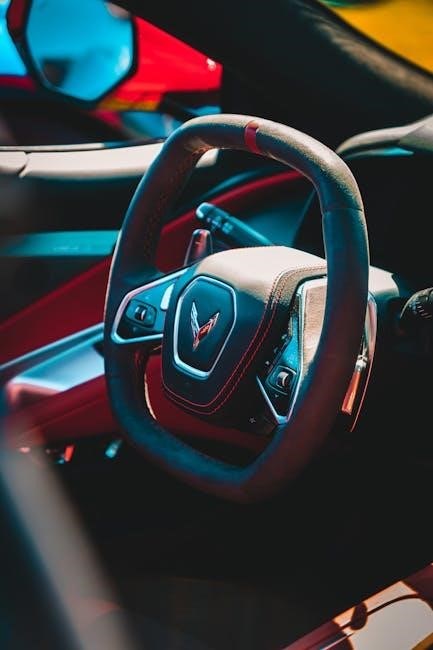
The debate between manual and automatic transmissions is a long-standing one, impacting driving experience and vehicle cost. Both options offer unique benefits, catering to diverse driver preferences and needs, as seen in modern vehicles.
Historically, the choice signified a difference in driver engagement, but advancements blur the lines, offering efficiency in both systems.
Understanding these differences is crucial when selecting a car, influencing enjoyment and practicality.
Historical Overview of Transmissions
Early automobiles, dating back to the late 19th and early 20th centuries, predominantly featured manual transmissions. These systems required drivers to manually shift gears using a clutch pedal and gear lever, offering direct control over the engine’s power.
The introduction of automatic transmissions in the 1930s marked a significant shift, aiming to simplify the driving experience. Early automatics were complex and often unreliable, but they gained popularity post-World War II as technology improved.
Throughout the mid-20th century, both manual and automatic transmissions coexisted, with automatics steadily gaining market share due to their convenience. The oil crises of the 1970s briefly revived interest in manual transmissions due to their superior fuel efficiency, but automatics continued to evolve, eventually surpassing manuals in fuel economy with advancements like overdrive and more gears.
Today, while manuals remain popular among enthusiasts, automatics dominate the automotive landscape.
The Core Difference: Driver Control

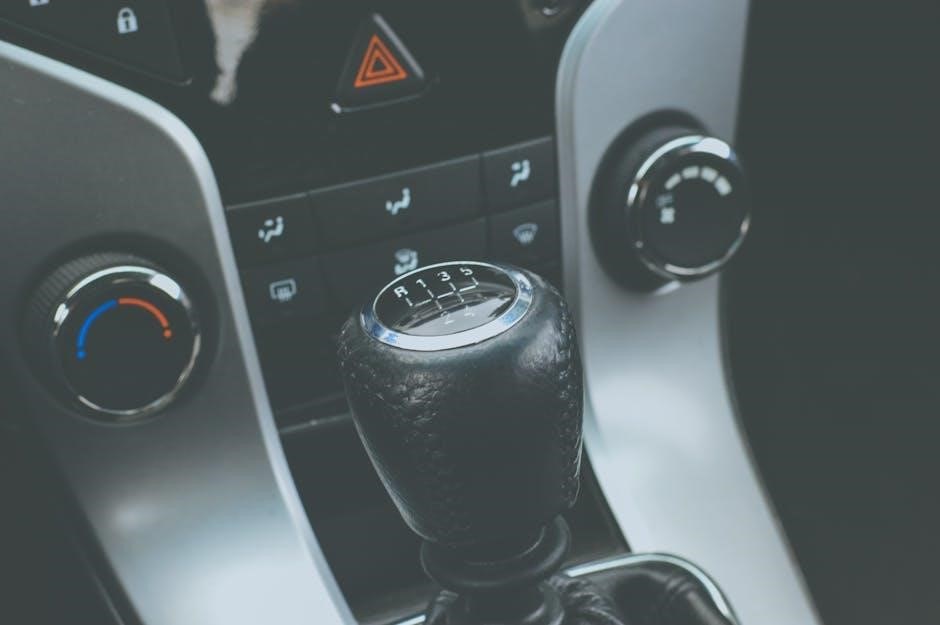
The fundamental distinction between manual and automatic transmissions lies in the level of driver control over gear selection. Manual transmissions place the responsibility squarely on the driver, demanding active engagement with the clutch and gear lever to change speeds. This provides a direct connection to the vehicle’s mechanics and allows for precise control over engine RPMs.
Automatic transmissions, conversely, abstract this process, utilizing a torque converter and planetary gearsets to automatically select the optimal gear based on vehicle speed and throttle input.
This automation prioritizes convenience and reduces driver workload, but at the expense of direct control. While some automatics offer manual shift modes, they typically simulate the experience rather than replicating the full engagement of a true manual system. Ultimately, the choice hinges on whether the driver desires a more involved or a more relaxed driving experience.
Manual Transmissions: A Deep Dive
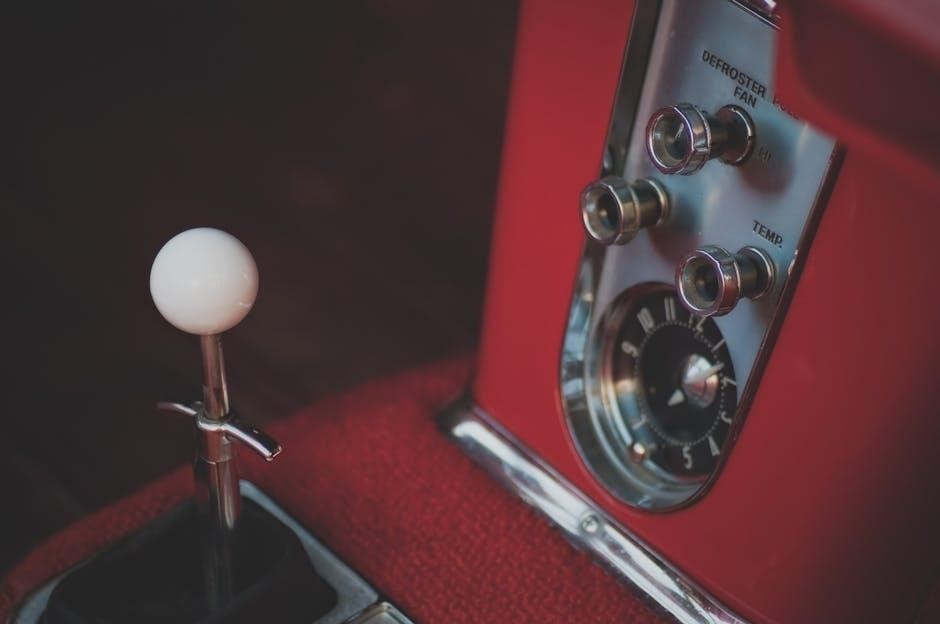
Manual transmissions offer a direct mechanical link between the engine and wheels, requiring driver skill for gear changes. They remain popular among driving enthusiasts valuing control.
How a Manual Transmission Works
A manual transmission operates through a driver-controlled system of gears and clutches. When the driver presses the clutch pedal, it disengages the engine from the transmission, allowing gear changes via the shift lever.
These levers manipulate shafts and gears, selecting different gear ratios to optimize engine power and speed. The process requires coordinating clutch engagement and disengagement with precise gear selection.
This mechanical linkage provides a direct connection, giving drivers a sense of control and responsiveness. Different gear ratios are chosen based on driving conditions – lower gears for acceleration and higher gears for efficient cruising.
Essentially, the driver acts as a crucial component in the power delivery system, actively managing the engine’s output.
Advantages of Manual Transmissions
Manual transmissions offer several distinct advantages, primarily centered around driver engagement and control. The direct mechanical link fosters a more connected driving experience, allowing precise control over engine RPM and power delivery.
Historically, manual transmissions provided better fuel efficiency, though this gap is narrowing with advancements in automatic technology. They also typically have a lower initial purchase price compared to their automatic counterparts.
Furthermore, some drivers appreciate the simplicity of the system, potentially leading to lower repair costs over the vehicle’s lifespan. The ability to fully control gear selection can also be advantageous in challenging driving conditions.
For enthusiasts, the involvement required is a key part of the driving pleasure.
Driver Engagement and Control
The core appeal of a manual transmission lies in the heightened driver engagement and control it provides. Unlike automatics, drivers actively participate in the gear selection process, fostering a more intimate connection with the vehicle.
This direct control allows for precise manipulation of engine RPM, enabling optimal power delivery for various driving scenarios – from spirited acceleration to controlled deceleration. Drivers can choose the exact gear needed, influencing the vehicle’s response.
This level of involvement appeals to enthusiasts who enjoy the tactile experience and the feeling of being fully in command of the machine. It transforms driving from a passive activity into an active, engaging one.
The driver truly feels the road and the car’s mechanics.
Fuel Efficiency (Historically)
Traditionally, manual transmissions held an advantage in fuel efficiency compared to their automatic counterparts. This stemmed from the simpler mechanical design of manuals, resulting in less energy loss during power transfer from the engine to the wheels.
Automatic transmissions, with their torque converters and complex hydraulic systems, historically incurred greater frictional losses, diminishing overall fuel economy. However, this gap has significantly narrowed with advancements in automatic transmission technology.
Modern automatics, including CVTs and DCTs, employ sophisticated designs and control strategies to minimize energy waste. While manuals often still offer a slight edge in certain scenarios, the difference is becoming increasingly marginal.
The fuel efficiency advantage of manuals is now largely historical, with modern automatics closing the gap.
Lower Initial Cost
Historically, vehicles equipped with manual transmissions have typically carried a lower initial purchase price compared to those with automatic transmissions. This price difference arises from the simpler manufacturing process and fewer components required for a manual gearbox.
Automatic transmissions involve more intricate engineering, sophisticated hydraulic systems, and advanced control modules, contributing to higher production costs. Consequently, automakers often pass these increased costs onto consumers.
However, the price gap between manual and automatic options has been shrinking in recent years, particularly as automatic transmissions become increasingly prevalent and manufacturers streamline production.
Despite this trend, a manual transmission generally remains the more budget-friendly choice at the time of purchase.
Disadvantages of Manual Transmissions
Despite their appeal, manual transmissions present several drawbacks for many drivers. A significant challenge is the steeper learning curve; mastering smooth gear changes and clutch control requires practice and coordination, potentially intimidating new drivers.
Furthermore, operating a manual transmission demands considerably more effort during driving, especially in stop-and-go traffic or hilly terrain. Constant clutch engagement and gear shifting can lead to driver fatigue on longer journeys.
This increased driver involvement can be distracting, and in certain driving conditions, a manual transmission may not offer the same level of convenience as an automatic.
Ultimately, the added physical and mental demands can make manual transmissions less appealing for everyday commuting.
Steeper Learning Curve
For novice drivers, the initial experience with a manual transmission can be daunting. Unlike automatics, mastering a manual requires coordinating the clutch, gear shifter, and accelerator – a multi-tasking skill that takes time and practice to develop.
Stalling the engine is a common occurrence during the learning process, potentially causing embarrassment and frustration. Smooth gear changes demand precise timing and feel, requiring significant muscle memory development.
This initial hurdle can deter some drivers, making the transition to independent driving slower and more challenging compared to learning an automatic transmission.
The complexity of the system necessitates a dedicated learning period, often involving guidance from experienced drivers or professional instruction.
More Effort Required for Driving
Operating a vehicle with a manual transmission demands continuous driver involvement, particularly in stop-and-go traffic. Constantly shifting gears, engaging the clutch, and monitoring engine speed require physical and mental exertion that an automatic transmission eliminates.
Long commutes or drives in congested areas can become noticeably more tiring with a manual, as the driver must actively manage the gear selection process.
This constant engagement, while appealing to some, can be a significant drawback for those prioritizing comfort and convenience. The need for precise coordination adds a layer of complexity to the driving experience.
Even on open roads, maintaining optimal performance with a manual requires more driver attention than simply letting an automatic handle the gear changes.

Automatic Transmissions: A Comprehensive Look
Automatic transmissions prioritize ease of use and convenience, handling gear changes independently. They represent a significant advancement, reducing driver workload and enhancing the overall driving experience.
How an Automatic Transmission Works
Automatic transmissions utilize a complex hydraulic system and planetary gearsets to seamlessly shift gears without direct driver input. A torque converter, instead of a clutch, transfers engine power to the transmission. This fluid coupling allows the engine to continue running even when the wheels are stopped.
The transmission control module (TCM) monitors vehicle speed, engine load, and throttle position to determine the optimal gear. Valves within the hydraulic system then direct fluid pressure to engage different gearsets.
Modern automatics often feature multiple gears (6, 8, 10, or more) for improved fuel efficiency and performance. These systems constantly adapt to driving conditions, providing smooth and efficient power delivery. The TCM’s sophisticated algorithms ensure optimal gear selection for various scenarios, enhancing both comfort and responsiveness.
Types of Automatic Transmissions
Beyond traditional automatic transmissions, several variations exist, each offering distinct advantages. Traditional automatics employ planetary gearsets and a torque converter, providing smooth shifts but sometimes sacrificing efficiency. Continuously Variable Transmissions (CVTs) utilize a belt and pulley system, offering a theoretically infinite number of gear ratios for optimal fuel economy.
However, CVTs can sometimes feel less responsive than traditional automatics. Dual-Clutch Transmissions (DCTs) combine the efficiency of a manual with the convenience of an automatic, using two separate clutches for rapid gear changes.
DCTs deliver quick, precise shifts, often found in performance vehicles. Each type caters to different driving styles and priorities, showcasing the evolution of automatic transmission technology.
Traditional Automatic Transmissions
Traditional automatic transmissions represent the longest-standing form of self-shifting gearboxes. They function using a complex system of planetary gearsets, hydraulically controlled clutches, and a torque converter. The torque converter allows the engine to continue running even when the wheels are stopped, providing smooth launches and low-speed maneuverability.
These transmissions automatically select the appropriate gear ratio based on vehicle speed and engine load, relieving the driver of manual shifting duties. While offering convenience, traditional automatics historically faced criticism for reduced fuel efficiency compared to manual transmissions.
However, modern advancements have significantly narrowed this gap, improving efficiency and responsiveness.
Continuously Variable Transmissions (CVT)
Continuously Variable Transmissions (CVTs) represent a departure from traditional stepped gear ratios. Instead of fixed gears, CVTs utilize a belt or chain running between two variable-diameter pulleys. This allows for an infinite number of gear ratios within a specific range, optimizing engine efficiency and responsiveness.
CVTs maintain the engine at its most efficient RPM, resulting in improved fuel economy and smoother acceleration. However, they often receive criticism for a unique driving feel, sometimes described as a “rubber band” effect, due to the engine’s consistent RPM during acceleration.
Modern CVTs are increasingly sophisticated, addressing these concerns with simulated shift points and improved responsiveness.
Dual-Clutch Transmissions (DCT)
Dual-Clutch Transmissions (DCTs) bridge the gap between manual and automatic transmissions, offering the efficiency of a manual with the convenience of an automatic. They employ two separate clutches for odd and even gears, pre-selecting the next gear for incredibly fast and seamless shifts.
This design allows for quicker gear changes than traditional automatics, often rivaling or surpassing manual transmission shift speeds. DCTs deliver a more engaging driving experience, with minimal power interruption during shifts, enhancing performance and responsiveness.
While offering numerous benefits, DCTs can be more complex and potentially more expensive to repair than other transmission types.
Advantages of Automatic Transmissions
Automatic transmissions prioritize ease of use and convenience, significantly reducing driver workload. They eliminate the need for constant clutch and gear lever operation, making driving simpler, especially in stop-and-go traffic. This simplicity translates to reduced driver fatigue, particularly on long journeys, enhancing overall comfort.
Modern automatics, including those with many gears, often achieve comparable fuel efficiency to manual transmissions, minimizing any historical disadvantage. While traditionally carrying a higher purchase price, the convenience and reduced stress often outweigh this initial cost for many drivers.
The accessibility of automatic transmissions broadens the driving pool, allowing more people to operate a vehicle comfortably.
Ease of Use and Convenience
Automatic transmissions excel in providing a seamless and user-friendly driving experience; They remove the complexities of coordinating clutch engagement and gear selection, simplifying operation for drivers of all skill levels. This is particularly beneficial in congested urban environments where frequent stopping and starting are commonplace.
The absence of a clutch pedal reduces physical strain, making driving more comfortable, especially during extended periods; Automatic transmissions allow drivers to focus more intently on steering and road awareness, enhancing safety.
For many, the convenience of an automatic outweighs any perceived loss of driver involvement, offering a relaxed and enjoyable commute.

Reduced Driver Fatigue
Automatic transmissions significantly contribute to a less fatiguing driving experience, particularly during long journeys or in stop-and-go traffic. The continuous operation of the clutch and gear changes in a manual transmission can be physically demanding, requiring constant foot and hand coordination.
By automating these processes, automatic transmissions free the driver from repetitive actions, allowing for greater relaxation and reduced strain on legs and arms. This is especially valuable for drivers who spend considerable time commuting or traveling.
The lessened physical exertion translates to improved concentration and alertness, enhancing overall driving safety and comfort.
Disadvantages of Automatic Transmissions
While convenient, automatic transmissions aren’t without drawbacks. A primary disadvantage is the historically higher purchase price compared to their manual counterparts, though this gap is narrowing with technological advancements.
Furthermore, automatic transmissions can potentially incur higher repair costs due to their complex internal mechanisms. Specialized knowledge and tools are often required for diagnosis and repair, increasing labor expenses.
Historically, automatic transmissions were less fuel-efficient than manuals, but modern automatics, including CVTs and DCTs, have significantly improved in this area. However, some drivers still perceive a slight fuel economy disadvantage.
Some enthusiasts also miss the direct connection and control offered by a manual transmission.
Higher Purchase Price
Generally, vehicles equipped with automatic transmissions command a higher initial purchase price than those with manual transmissions. This price difference stems from the increased manufacturing complexity and the additional components required for an automatic system.
The cost of the transmission itself is a significant factor, as automatics involve intricate hydraulic systems, planetary gearsets, and sophisticated control modules. These elements contribute to a higher bill of materials and assembly costs.
While the price gap has been decreasing with advancements in automatic technology and increased demand, it remains a noticeable consideration for budget-conscious buyers. The added expense can represent several thousand dollars, impacting the overall affordability of the vehicle.
However, financing options can sometimes mitigate this upfront cost.
Potentially Higher Repair Costs
Automatic transmissions, due to their intricate design, often present potentially higher repair costs compared to their manual counterparts. The complexity of components like valve bodies, torque converters, and planetary gearsets means specialized knowledge and tools are required for diagnosis and repair.
A failure within an automatic transmission can necessitate a complete rebuild or replacement, representing a substantial expense for vehicle owners. Diagnostic procedures can also be more time-consuming and costly, adding to the overall repair bill.
While modern automatics are more reliable than older designs, the potential for expensive repairs remains a concern. Manual transmissions, with their simpler mechanical structure, generally offer more straightforward and affordable repairs.
However, clutch replacements are a regular maintenance item for manuals.
The Modern Landscape: Bridging the Gap
Technological advancements are narrowing the performance and efficiency gap between automatic and manual transmissions, offering drivers more refined and capable options in both styles.
Advancements in Automatic Transmission Technology
Modern automatic transmissions have evolved significantly beyond traditional designs. Continuously Variable Transmissions (CVTs) offer seamless gear changes and improved fuel efficiency, while Dual-Clutch Transmissions (DCTs) provide incredibly fast and precise shifts, mimicking the experience of a manual gearbox.
These advancements address historical criticisms of automatics, such as reduced driver engagement and lower fuel economy. Sophisticated computer controls and more gear ratios contribute to smoother operation and enhanced performance.
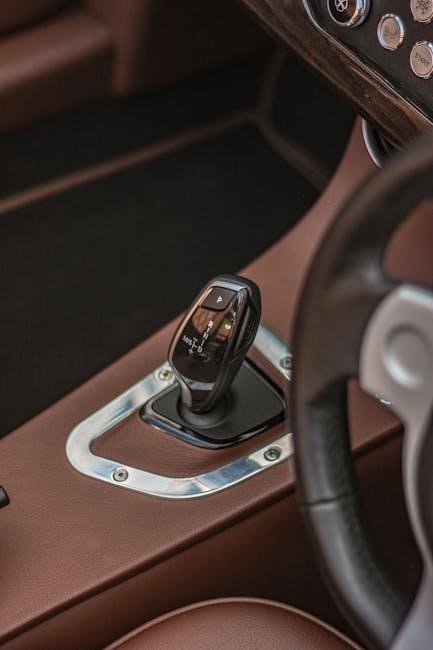
Furthermore, features like paddle shifters allow drivers to manually select gears in automatic transmissions, blending convenience with a sense of control. The integration of these technologies demonstrates a commitment to improving the automatic driving experience, making it competitive with, and in some cases surpassing, manual options.
The Resurgence of Manual Transmissions in Enthusiast Cars
Despite the dominance of automatics, manual transmissions are experiencing a revival among car enthusiasts. Manufacturers are recognizing the demand for a more connected driving experience, offering manual options in performance-oriented models. This trend caters to drivers who prioritize control, engagement, and a visceral connection with their vehicle.
The appeal lies in the ability to directly influence gear selection, enhancing the sense of driving skill and enjoyment. This resurgence isn’t about practicality, but about preserving a specific driving feel.
While automatics offer convenience, the manual transmission remains a symbol of driving purity for many, ensuring its continued presence in the automotive landscape, particularly within enthusiast communities.
Choosing the Right Transmission for You
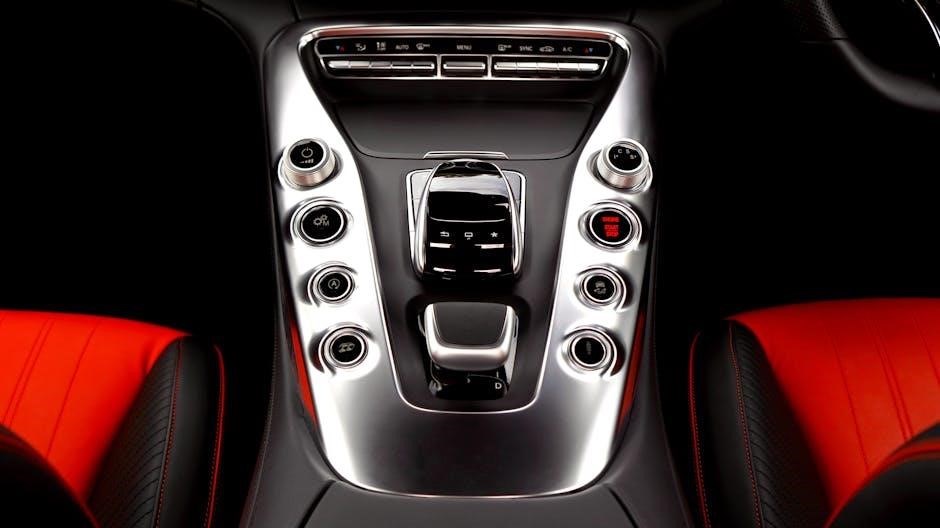
Selecting between a manual and automatic transmission hinges on individual priorities and driving habits. Consider your daily commute – frequent stop-and-go traffic favors the convenience of an automatic, reducing driver fatigue. However, if you relish spirited driving and a direct connection to the vehicle, a manual transmission offers unparalleled control and engagement.
Evaluate your budget; manuals typically have a lower initial cost, but automatics are becoming increasingly efficient and sophisticated.
Ultimately, the “right” transmission is subjective. Test drive both types, assess your needs, and choose the option that best complements your driving style and lifestyle, ensuring a satisfying ownership experience.
Leave a Reply
You must be logged in to post a comment.