First Aid Box Checklist PDF: A Comprehensive Guide
Today, April 5th, 2026, access a free, nurse-recommended PDF checklist for building a comprehensive first aid kit, ensuring preparedness and safety for all situations.
First aid kit checklists, readily available as PDF downloads, are crucial tools for ensuring you’re prepared for emergencies. These lists, often recommended by healthcare professionals like nurses, provide a structured approach to assembling and maintaining a well-equipped kit. They move beyond simply having “supplies” to guaranteeing the right supplies are present and in usable condition.
A comprehensive checklist, like those surfacing on April 16th, 2026, details essential items – from sterile dressings and bandages to crucial medications like antihistamines and even EpiPens for severe allergies. Utilizing a checklist helps individuals and workplaces adhere to standards like CSA Z1220, ensuring compliance with local regulations. Regularly reviewing and updating your kit, guided by a checklist, is paramount for effective emergency response.
Why Use a PDF Checklist?
PDF checklists offer unparalleled convenience and reliability for managing your first aid kit. Their downloadable format allows for easy access on any device – phone, tablet, or computer – ensuring preparedness isn’t limited by location. Unlike handwritten lists, a PDF remains consistent and prevents accidental alterations, vital for maintaining accuracy.
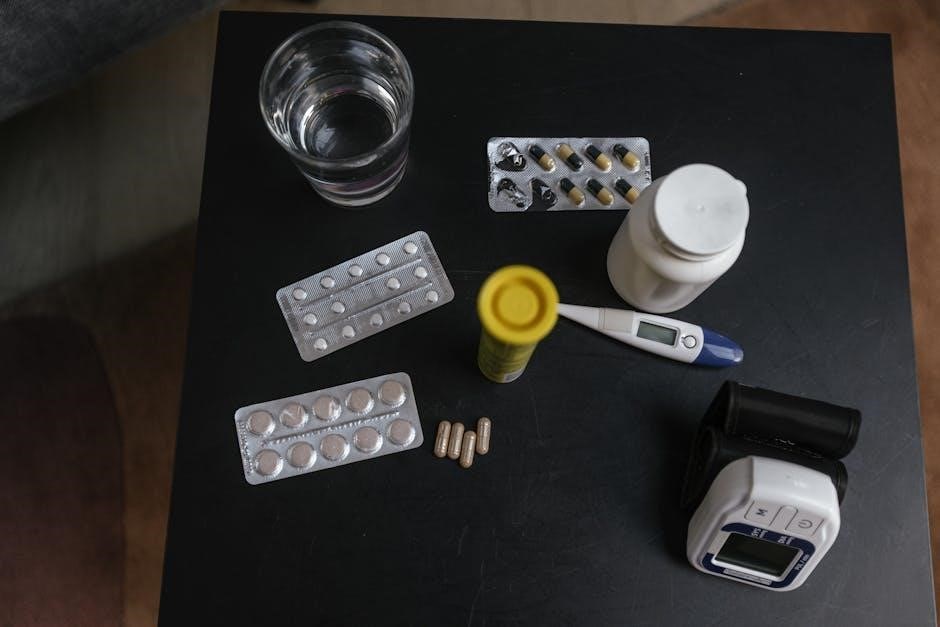
Furthermore, PDF checklists facilitate systematic inspection, prompting users to verify expiration dates, replenish used items, and confirm cleanliness – all crucial aspects of kit maintenance, as emphasized on April 5th, 2026. They support adherence to standards like BS8599-1:2019, ensuring a complete and serviceable kit. A digital format also enables easy sharing and standardization across multiple kits, be it at home, work, or in vehicles.

Essential Components of a First Aid Kit
A well-stocked kit, verified by a PDF checklist, must include wound care, medications, allergy management tools, and essential equipment for immediate response.
Wound Care Supplies
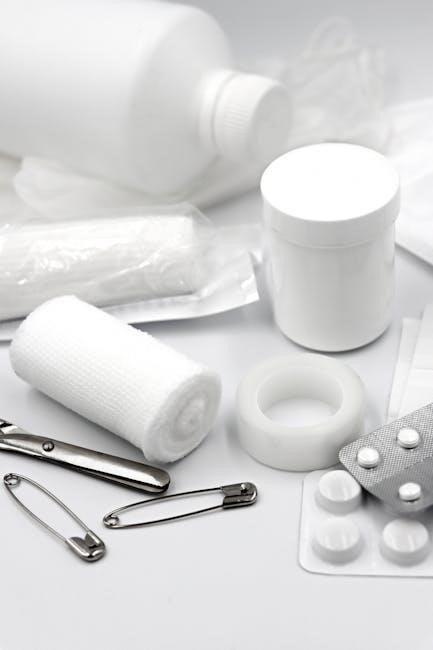
Effective wound management is paramount, and a first aid checklist PDF ensures you have the necessary supplies; This includes a variety of sterile dressings and bandages to cover and protect injuries, preventing infection. Adhesive bandages (plasters) in multiple sizes are crucial for minor cuts and scrapes, offering quick and convenient coverage.
Don’t forget antiseptic wipes or solution to thoroughly clean wounds before dressing, minimizing the risk of bacterial contamination. Regularly checking expiration dates on these items, as highlighted in a good PDF checklist, is vital for maintaining their effectiveness. A comprehensive kit, guided by a checklist, will empower you to address wounds promptly and safely, promoting faster healing and reducing complications.
Sterile Dressings & Bandages
A first aid checklist PDF emphasizes the importance of a diverse selection of sterile dressings and bandages. Include adhesive bandages of varying sizes for minor injuries, alongside larger sterile gauze pads for more substantial wounds. Non-adherent dressings are essential for burns or sensitive skin, preventing further trauma during removal.
Roller gauze and triangular bandages offer versatile support for sprains or to secure dressings in place. A PDF checklist will remind you to verify quantities and expiration dates regularly. Ensure dressings are individually wrapped and remain sterile until use. Prioritizing quality sterile supplies, as outlined in a comprehensive checklist, is fundamental for effective wound care and infection prevention.
Adhesive Bandages (Plasters) — Variety of Sizes
A thorough first aid checklist PDF highlights the necessity of stocking adhesive bandages (plasters) in a wide range of sizes. This ensures appropriate coverage for cuts and scrapes of all dimensions. Include small bandages for fingertip injuries, medium sizes for common wounds, and larger, heavy-duty bandages for more extensive areas.
Consider waterproof or fabric bandages for increased durability and protection. A PDF checklist will prompt you to check for sufficient quantities, as these are frequently used items. Regularly replenish supplies to maintain preparedness. Different shapes, like knuckle or butterfly closures, can also be beneficial. Having a variety readily available, as detailed in a comprehensive checklist, allows for optimal wound care and comfort.
Antiseptic Wipes or Solution
A reliable first aid checklist PDF emphasizes the critical inclusion of antiseptic wipes or solution. These are essential for cleaning wounds, preventing infection, and promoting healing. Both wipe and liquid formats offer advantages; wipes are convenient for portability, while solutions can be used for irrigating larger wounds.
Ensure the chosen antiseptic is appropriate for skin use and check the PDF checklist for expiration dates. Common options include alcohol-based wipes or povidone-iodine solution. A comprehensive kit, guided by a detailed checklist, should contain enough antiseptic to thoroughly clean multiple wounds. Proper wound cleaning is a foundational step in first aid, and readily available antiseptic is paramount for effective care.
Medication & Allergy Management
A thorough first aid checklist PDF highlights the importance of medication and allergy management. This section should include pain relievers like ibuprofen or acetaminophen for minor injuries and discomfort; Crucially, the checklist should prompt consideration of potential allergic reactions.
For individuals with known severe allergies, an EpiPen is a life-saving necessity and must be included. Antihistamines are also vital for managing milder allergic responses. When customizing your kit using a PDF checklist, document any specific medications or allergies of those the kit is intended for. Always verify medication expiration dates and ensure proper storage to maintain efficacy. Prioritize preparedness for potentially life-threatening allergic emergencies.
Pain Relievers (Ibuprofen, Acetaminophen)
A comprehensive first aid checklist PDF must address pain management. Including both ibuprofen and acetaminophen provides options for varying needs and sensitivities. Ibuprofen effectively reduces inflammation, while acetaminophen focuses on pain relief and fever reduction.
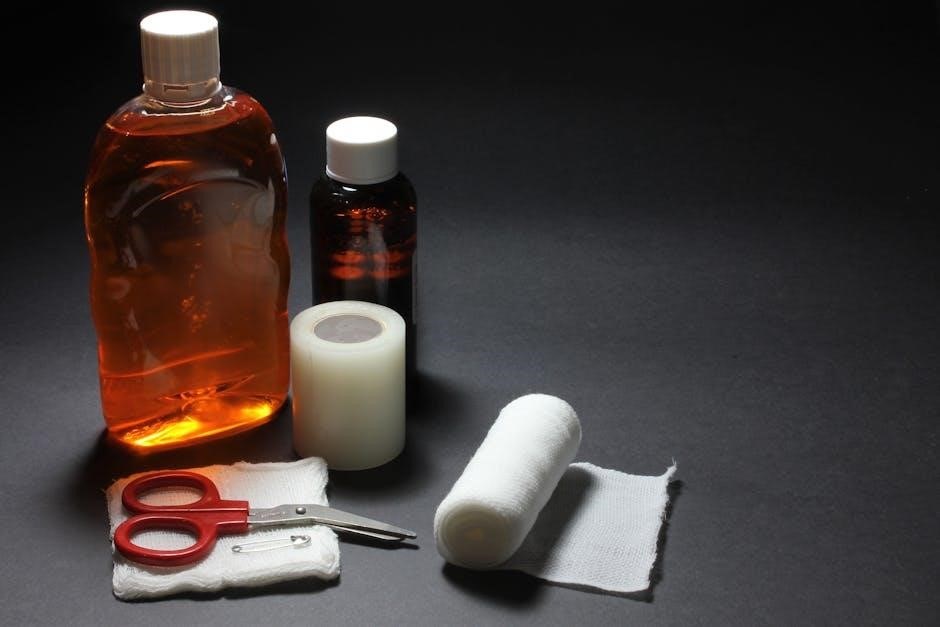
When utilizing a PDF checklist for kit assembly, note the appropriate dosages for adults and children, if applicable. Ensure these medications are stored in a cool, dry place, away from direct sunlight. Regularly check expiration dates – outdated medication is ineffective and potentially harmful. A well-maintained first aid kit, guided by a detailed checklist, offers immediate relief for minor injuries and contributes to overall well-being.
Antihistamines
A thorough first aid checklist PDF should prioritize allergy management, making antihistamines a crucial component. These medications combat allergic reactions triggered by insect bites, stings, or exposure to allergens. Including antihistamines in your first aid kit provides rapid relief from symptoms like itching, hives, and swelling.

When referencing a PDF checklist, confirm the inclusion of both oral antihistamines and, if appropriate, topical creams for localized reactions. Always verify expiration dates and store properly. For individuals with known severe allergies, a first aid checklist should strongly recommend the addition of an EpiPen. Regular kit inspection, guided by the checklist, ensures readiness for potential allergic emergencies, promoting safety and peace of mind.
EpiPen (for Severe Allergies)
A comprehensive first aid checklist PDF must explicitly address severe allergic reactions, necessitating the inclusion of an EpiPen (epinephrine auto-injector). This life-saving device is critical for individuals with known anaphylactic allergies – such as those to nuts, shellfish, or insect stings. The checklist should emphasize that an EpiPen is in addition to carrying one on a daily basis.
Your first aid kit’s PDF checklist should confirm the EpiPen is unexpired and readily accessible. Training on proper administration is paramount; the checklist might link to instructional resources. Regularly review the EpiPen’s expiration date during kit inspections. Prioritizing this item demonstrates a commitment to preparedness for potentially life-threatening emergencies, as highlighted in many first aid kit guides.
Tools & Equipment
A thorough first aid checklist PDF doesn’t stop at supplies; essential tools and equipment are vital for effective response. The checklist must include a pair of sharp, durable scissors for cutting bandages or clothing, and tweezers for removing splinters or debris. Safety pins are crucial for securing bandages or slings.
Furthermore, a first aid kit’s PDF checklist should mandate non-latex gloves to protect both the responder and the injured person. Confirming the presence and functionality of these tools during periodic inspections (every 3-6 months) is key. A well-equipped kit, as detailed in CSA Z1220 standards, ensures you can address a wider range of injuries effectively, making your checklist a critical safety resource.
Scissors
A first aid checklist PDF absolutely must include a pair of robust scissors. These aren’t for general use; they’re specifically for medical applications. The checklist should verify they are sharp enough to cleanly cut bandages, tape, clothing – even potentially stubborn materials requiring removal around a wound. Blunt scissors compromise care.
Ensure the scissors have rounded tips for safety, minimizing the risk of accidental punctures during use. Regularly inspect them during your 3-6 month first aid kit review. A damaged or dull pair renders the entire kit less effective. Confirming their presence and functionality is a non-negotiable item on any comprehensive first aid checklist PDF, aligning with CSA Z1220 workplace standards.
Tweezers
Any thorough first aid checklist PDF will highlight the necessity of including a quality pair of tweezers. Their primary function is the safe removal of splinters, thorns, or small debris embedded in the skin – tasks where fingers are imprecise and risk infection. The checklist should confirm they are present and, crucially, clean.
Ideally, the tweezers should be pointed, yet not excessively sharp, to allow for a secure grip without causing further trauma. During periodic first aid kit inspections (every 3-6 months), verify they are free from rust and operate smoothly. A functional pair of tweezers is vital for preventing minor injuries from escalating. Confirming their inclusion is essential for compliance with workplace safety standards like CSA Z1220, as detailed in a comprehensive first aid checklist PDF.
Safety Pins
A comprehensive first aid checklist PDF invariably includes safety pins, often overlooked yet surprisingly versatile. They serve multiple purposes, from securing bandages and slings to temporarily fastening clothing in case of tears or damage. The checklist should verify an adequate supply – at least six to ten – are present within the kit.
During routine first aid kit maintenance, ensure the safety pins are rust-free and securely fastened. They should be readily accessible, not buried beneath other items. Their inclusion is a simple, cost-effective measure that significantly enhances the kit’s functionality. Compliance with standards like CSA Z1220 benefits from these small additions. Regularly reviewing the checklist and replenishing used or damaged safety pins is crucial for maintaining a fully prepared kit, as outlined in any good first aid checklist PDF.
Gloves (Non-Latex)
A vital component of any first aid checklist PDF is a supply of non-latex gloves. These are essential for protecting both the responder and the injured person from potential cross-contamination during treatment. The checklist should confirm the presence of at least ten pairs, ensuring sufficient coverage for various scenarios.
Non-latex gloves are crucial due to the increasing prevalence of latex allergies. Regularly inspect gloves for tears or punctures during the 3-6 month inspection cycle recommended in a thorough first aid checklist PDF. Replenishment is key; used or damaged gloves must be replaced immediately. Adherence to workplace standards like CSA Z1220 mandates their inclusion. Maintaining a readily accessible supply of gloves is a simple yet critical step in ensuring a safe and hygienic first aid response, as detailed in any comprehensive checklist PDF.
Workplace First Aid Kit Standards (CSA Z1220)
CSA Z1220 outlines three distinct first aid kit types; use this checklist PDF guide to verify your workplace kit’s compliance with standards and regulations.
Understanding Kit Types
CSA Z1220, the standard for workplace first aid kits, categorizes them into three classes based on the risk level and number of employees. A checklist PDF is crucial for ensuring the correct kit type is deployed. Class 1 kits are for low-risk workplaces with fewer than six employees, focusing on basic wound care. Class 2 kits serve workplaces with more employees or moderate risks, requiring a more extensive range of supplies. Finally, Class 3 kits are designed for high-risk environments, demanding the most comprehensive inventory.
Utilizing a detailed checklist PDF helps determine the appropriate class for your specific workplace. Consider the potential hazards, the proximity to emergency services, and the number of personnel. Proper classification, verified by a thorough checklist PDF review, is vital for legal compliance and, most importantly, employee safety.
Compliance with Local Regulations
Ensuring your first aid kit adheres to local workplace regulations is paramount, and a detailed checklist PDF is your key tool. Beyond the CSA Z1220 standard, provincial and territorial laws may impose additional requirements regarding kit contents and accessibility. A comprehensive checklist PDF should incorporate these regional stipulations. Regularly updating your checklist PDF to reflect any changes in legislation is crucial for maintaining compliance.
Failure to meet these regulations can result in fines and, more importantly, compromise worker safety. A well-maintained checklist PDF serves as documentation of your commitment to a safe work environment. It demonstrates due diligence in the event of an incident. Always verify your checklist PDF against the most current local guidelines to avoid potential legal issues and ensure optimal protection for your team.
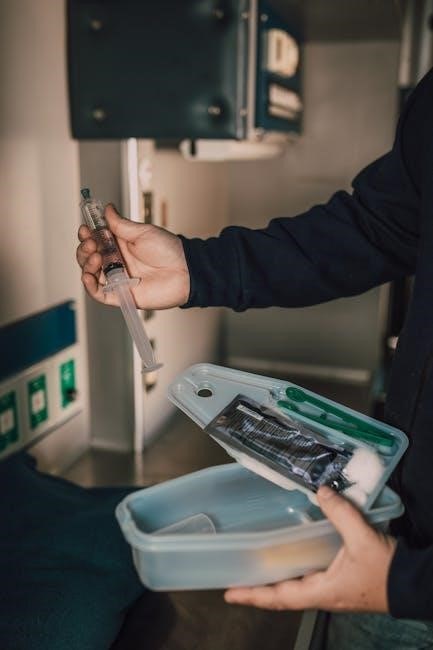
Maintaining Your First Aid Kit
A checklist PDF aids in managing expiration dates, immediate replenishment of used items, ensuring cleanliness, and verifying optimal, accessible location for your kit.
Expiration Date Management
Utilizing a first aid kit checklist PDF is crucial for proactive expiration date management. Regularly scheduled checks – ideally during periodic reviews – should focus on verifying that all supplies remain within their usable timeframe. Expired medications and sterile items may lose effectiveness, compromising their ability to provide adequate care in an emergency.
The PDF checklist serves as a documented record of these checks, allowing you to quickly identify and replace items nearing or past their expiration dates. This systematic approach minimizes risks and ensures your kit consistently contains reliable, potent supplies. Don’t overlook seemingly minor items like antiseptic wipes, as their efficacy diminishes over time. A well-maintained kit is a prepared kit!
Replenishment Procedures
A robust first aid kit checklist PDF streamlines replenishment procedures after each use or during routine inspections. Immediately replace any used, damaged, or expired items to maintain full preparedness. The checklist should clearly indicate minimum required quantities for each supply, facilitating accurate restocking.
Designate a responsible person to oversee replenishment, ensuring timely action. Consider establishing a dedicated supply storage area for easy access. Document all replenishment activities on the PDF checklist, noting the date and items replaced. This creates an audit trail and helps track consumption patterns. Proactive replenishment, guided by the checklist, guarantees your kit is always ready to respond effectively to emergencies.
Cleanliness and Organization
Maintaining a clean and organized first aid kit is crucial for efficient emergency response, as highlighted in many first aid kit checklist PDF guides. Regularly inspect the kit’s interior for dust, debris, or contamination. Wipe down the box and its contents with a disinfectant solution during each inspection.
Organize supplies logically, grouping similar items together (e.g., wound care, medications). Utilize compartments or labeled bags within the kit to enhance accessibility. A well-organized kit allows for quick identification and retrieval of needed supplies, potentially saving valuable time in a critical situation. Document cleanliness checks on your PDF checklist to ensure consistent maintenance.
Optimal Location & Accessibility
Selecting the right location for your first aid kit is paramount, as emphasized in numerous first aid kit checklist PDF resources. Choose a central, easily accessible spot known to all household or workplace members. Avoid areas prone to extreme temperatures or humidity, which can damage supplies.
Ensure the kit isn’t obstructed by clutter or locked away. Clearly label the kit with a prominent “First Aid” sign. Regularly verify that the location remains accessible and safe. Document the kit’s location on your PDF checklist and update it if moved. Accessibility can significantly reduce response times during emergencies, potentially improving outcomes.

Periodic Review & Inspection
Regularly inspect your first aid kit – ideally every 3-6 months – using a PDF checklist to verify contents, expiration dates, and overall condition.
Recommended Inspection Frequency (3-6 Months)
Maintaining a well-stocked and functional first aid kit requires consistent attention. A first aid box checklist PDF facilitates regular inspections, ideally conducted every three to six months. More frequent checks are advisable if the kit is frequently used or has been accessed for supplies.
During each inspection, meticulously verify the quantity of each item against your PDF checklist. Confirm that all medications haven’t expired and that sterile items remain sealed and undamaged. Ensure dressings, bandages, and antiseptic solutions are in good condition.
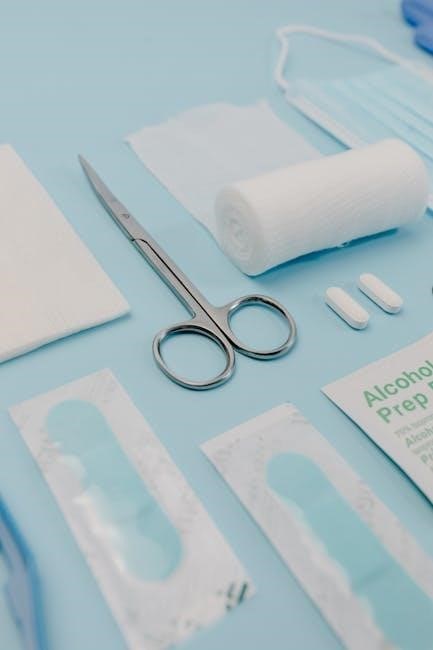
A documented inspection process, utilizing the PDF checklist, provides a clear record of maintenance, demonstrating due diligence and preparedness. This proactive approach ensures your kit remains a reliable resource in emergency situations, offering peace of mind and potentially life-saving assistance.
Monthly Checklist Tracking
Implementing a monthly tracking system, utilizing a first aid box checklist PDF, is crucial for sustained kit readiness. This involves a quick review of key supplies – sterile dressings, bandages, adhesive plasters, and gloves – to ensure adequate quantities are maintained.
The PDF checklist should include dedicated spaces to note the date of inspection and any replenishment actions taken. This simple log provides a clear audit trail, highlighting potential shortages and prompting timely restocking. Consistent tracking prevents critical items from falling below minimum required levels.
Regular monitoring, guided by the PDF checklist, fosters a proactive approach to first aid preparedness, guaranteeing a fully equipped kit whenever and wherever it’s needed. It’s a small investment of time with significant safety benefits.
Special Considerations
Tailor your first aid box checklist PDF for children, infants, and allergies; include EpiPens for severe reactions and guides for pediatric life-saving techniques.
First Aid for Children & Infants
When creating a first aid box checklist PDF, remember that children and infants require specialized considerations. Ensure your guides contain clear instructions on performing life-saving techniques specifically adapted for younger individuals. This includes CPR modifications, choking relief procedures, and guidance on addressing common childhood injuries like cuts, scrapes, and burns.
Consider including items tailored to pediatric needs, such as appropriately sized bandages, children’s pain relievers (with correct dosage information), and a thermometer. It’s crucial to understand that medication dosages differ significantly between adults and children. Always consult a pediatrician or healthcare professional for guidance on appropriate dosages and treatment protocols. A well-prepared kit, combined with knowledge of pediatric first aid, can significantly improve outcomes in emergency situations involving children and infants.
BS8599-1:2019 Small First Aid Kit Checklist
Utilizing a first aid box checklist PDF aligned with BS8599-1:2019 standards ensures a compliant and effective small first aid kit. This checklist verifies the presence of 35 essential items, including various bandages, antiseptic solutions, scissors, eye pads, and crucial support aids. It’s vital to confirm each item is not only present but also within its expiry date, maintaining its effectiveness.
The checklist also assesses the cleanliness and serviceable condition of each component. Regular inspection, guided by this PDF, guarantees the kit remains ready for immediate use. Adherence to BS8599-1:2019 provides confidence in the kit’s ability to address common workplace injuries effectively, fulfilling legal requirements and promoting a safe environment. Downloadable checklists simplify this process, promoting consistent and thorough checks.
Customizing Your Kit
While a first aid box checklist PDF provides a solid foundation, tailoring your kit to specific needs is crucial. Consider individual allergies – an EpiPen is strongly advised for those with severe reactions, supplementing standard contents. Family-specific needs, like medications for chronic conditions, should also be included, alongside detailed instructions for use.
Furthermore, assess the environment where the kit will be used. Remote locations or workplaces with unique hazards may require specialized items. Justification for any additions should be documented, ensuring a thoughtful and informed approach. Remember, there’s no single “uniform” model; customization enhances preparedness. Regularly review and update your personalized checklist PDF to reflect changing circumstances and needs.
Leave a Reply
You must be logged in to post a comment.